Frankie Klein · 14 November 2026
Italian Artisans Blend Satellite Monitoring with Lunar Cycle Pottery Traditions
Workshops across several Italian hill towns have started incorporating satellite observations into their long-standing practice of timing pottery firings according to lunar phases, and this integration has produced measurable adjustments in firing schedules since early planning stages began in 2024. Communities in regions known for centuries-old ceramic methods now receive precise orbital data that refines decisions previously guided solely by visible moon cycles and local weather patterns.
Traditional Firing Practices Meet Modern Data Streams
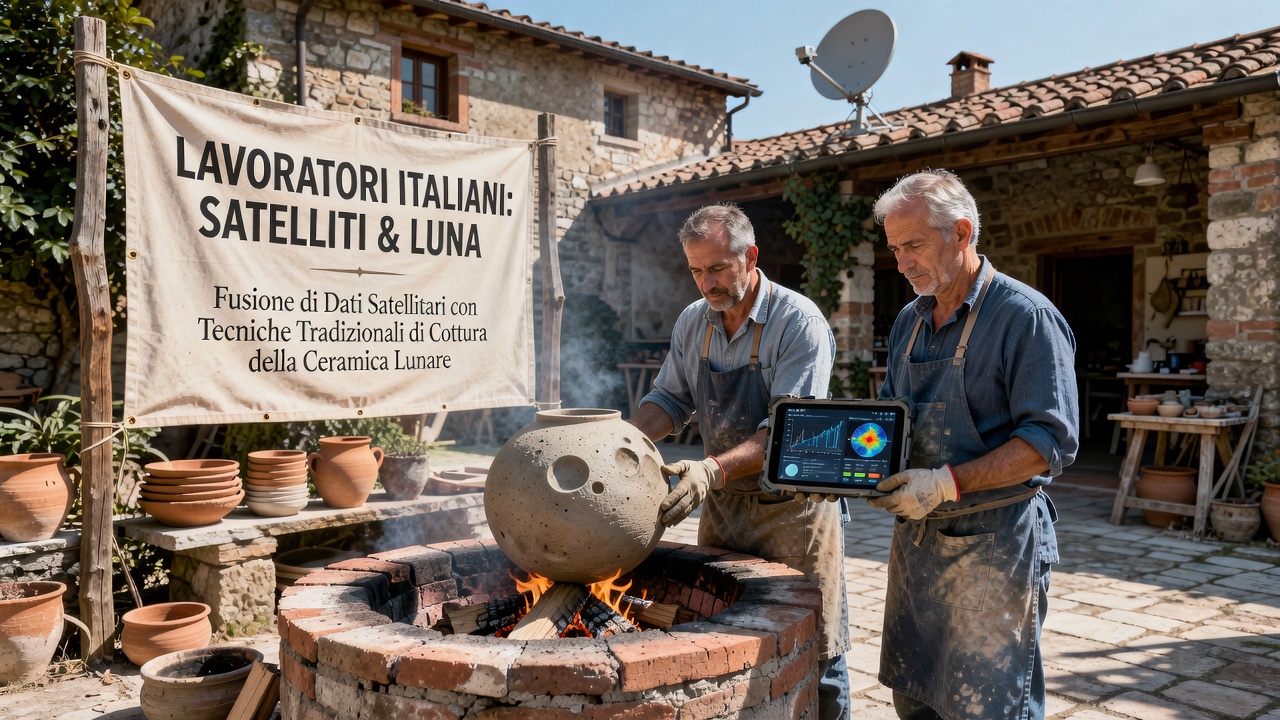
Potters in these villages have long aligned kiln operations with specific lunar quarters because historical records show correlations between phase timing and clay behavior during high-heat processes. Satellite feeds from European monitoring systems supply additional layers of information including atmospheric density readings and subtle gravitational influences that affect kiln temperature stability. Artisans review these datasets alongside their inherited logs before loading each batch, which allows adjustments when orbital positions deviate from average patterns.
One workshop collective documented a sequence of firings in 2025 where satellite alerts prompted a two-day shift in schedule, and the resulting pieces exhibited consistent vitrification rates across multiple clay types. Local records indicate that such timing tweaks have become routine in at least four villages that maintain active kilns year-round.
November 2026 Workshops Highlight Expanded Collaboration
Planning documents released earlier this year outline a series of joint sessions scheduled for November 2026 in which technicians will demonstrate real-time satellite data interpretation to groups of apprentice potters. These sessions coincide with a full lunar cycle window that traditionally marks the start of winter firing seasons in the region. Participants will examine archived orbital imagery from prior years alongside fresh telemetry to identify recurring patterns that influence wood-kiln performance.
Regional cultural archives supplied supporting materials that detail how earlier generations tracked moon positions through simple sighting tools, and the current programs build directly on those notations by adding quantitative metrics. Attendance projections from village councils suggest several hundred participants across the planned dates.
Data Sources and Regional Coordination
Teams coordinate inputs from the European Space Agency alongside ground stations operated by Italian research institutes, which supply localized corrections for terrain effects on signal accuracy. This combination yields firing-window recommendations that account for both celestial mechanics and micro-climate variations recorded at each kiln site.
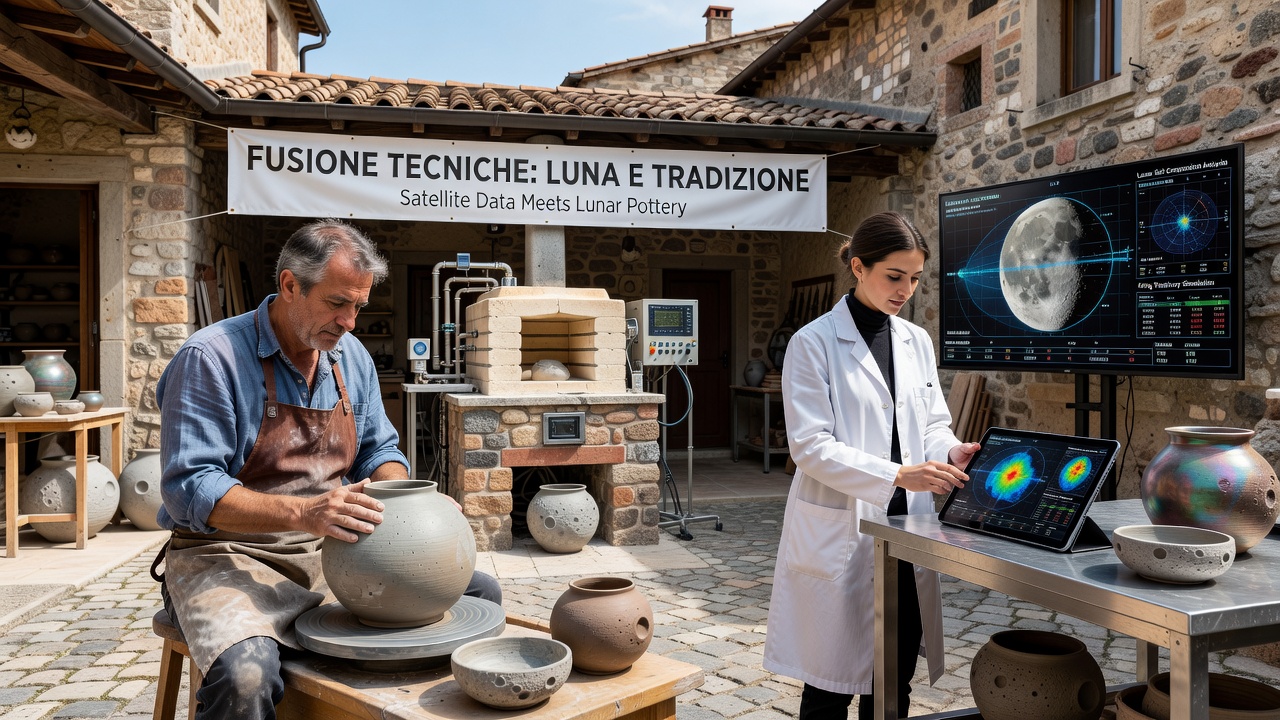
Cross-checks performed by independent observers confirm that the merged approach maintains the core ritual elements of traditional firings while inserting data review steps at the preparation stage. Kiln masters retain final authority over loading sequences and fuel mixtures, yet they now consult printed satellite summaries posted at each site.
Outcomes Recorded Across Multiple Sites
Surveys compiled by regional craft associations report that participating workshops recorded fewer under-fired pieces during the most recent seasonal cycle compared with the preceding three years. The data sets also track fuel consumption, and figures indicate modest reductions when schedules align more closely with optimal atmospheric windows identified through orbital monitoring. These measurements remain preliminary, with full statistical analysis expected after the 2026 sessions conclude.
Apprentices learn to interpret both the satellite charts and the older handwritten phase calendars kept in each workshop, which ensures continuity of local knowledge even as new tools enter daily use. Several villages have installed simple display boards that show upcoming recommended firing periods based on combined inputs.
Conclusion
The ongoing merger of satellite observations with established lunar pottery methods continues to evolve through scheduled workshops and routine data reviews in participating Italian communities. Records maintained by the artisans themselves document incremental refinements in timing and material handling, while cultural continuity remains anchored in the original cycle-based practices. Further sessions planned for late 2026 will supply additional datasets that observers can compare against historical benchmarks.