Blake Hartmann · 3 October 2026
Lunar Cycles Guide Harvest Timing for Italian Winemakers Upholding Ancestral Craft Methods
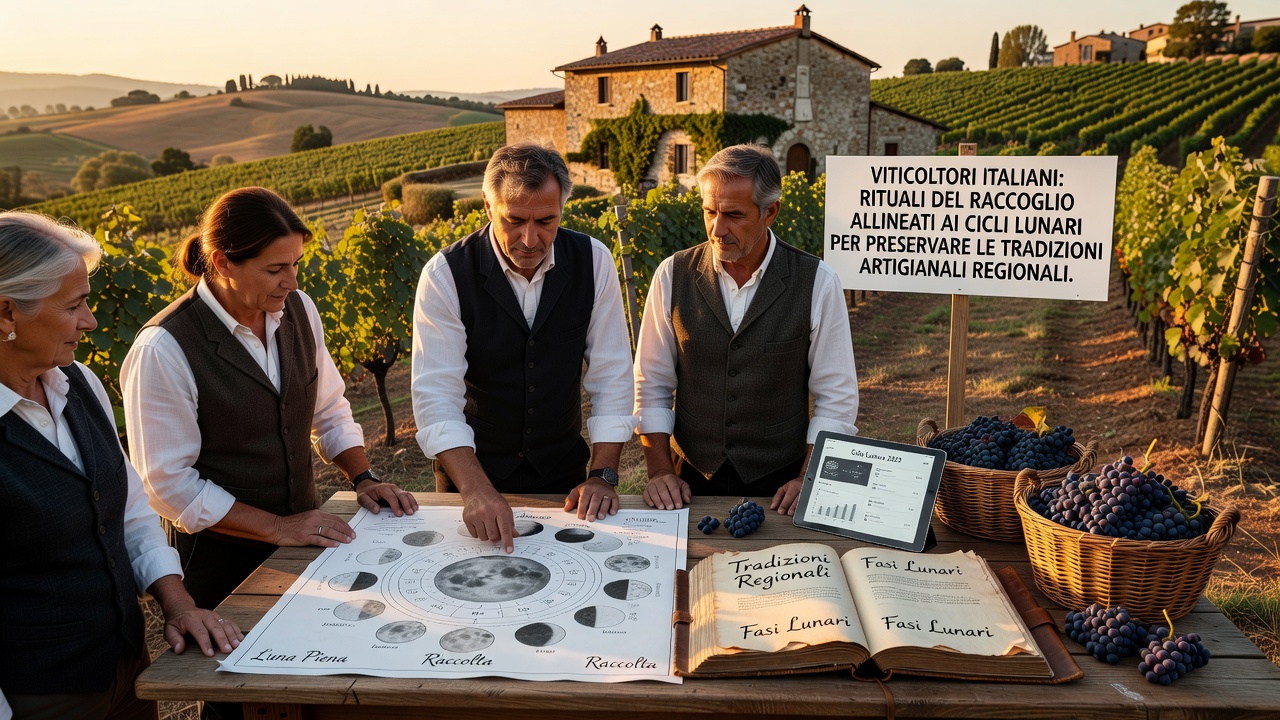
Italian winemakers in multiple regions continue to schedule grape harvests according to specific lunar phases, a practice rooted in centuries-old records that link moon positions to grape maturity and juice quality, and this approach persists as communities seek to maintain distinct local traditions amid modern agricultural changes.
Records from the 18th and 19th centuries in areas such as Piedmont and Veneto show that vintners noted correlations between waxing moons adn fuller berry development, while waning phases aligned with reduced water content in certain varieties, and these observations form the basis for current planning that incorporates both historical data and contemporary measurements.
Regional Practices and Calendar Integration
Producers in Tuscany often align picking schedules with the descending moon period because historical accounts indicate this timing supports better tannin balance in Sangiovese grapes, and similar patterns appear in Sicily where Nero d'Avola harvests follow documented lunar windows passed through family networks.
Groups in these zones consult combined calendars that merge traditional notations with satellite-derived lunar data, allowing precise timing for October 2026 collections across scattered hillside plots, and this integration helps smaller estates coordinate labor while preserving the sequence of steps that define each area's wine character.
Documentation and Knowledge Transmission
Local archives in Friuli-Venezia Giulia hold ledgers that detail moon-timed harvests dating back to the 1600s, and these documents serve as reference points for today's cooperatives that train younger workers in the same observational techniques used by prior generations.
Workshops organized by regional agricultural bodies demonstrate how to record berry weights and acidity levels alongside lunar positions, creating updated datasets that support the continuation of these methods without requiring external equipment beyond basic tools.
Community Coordination and Shared Records
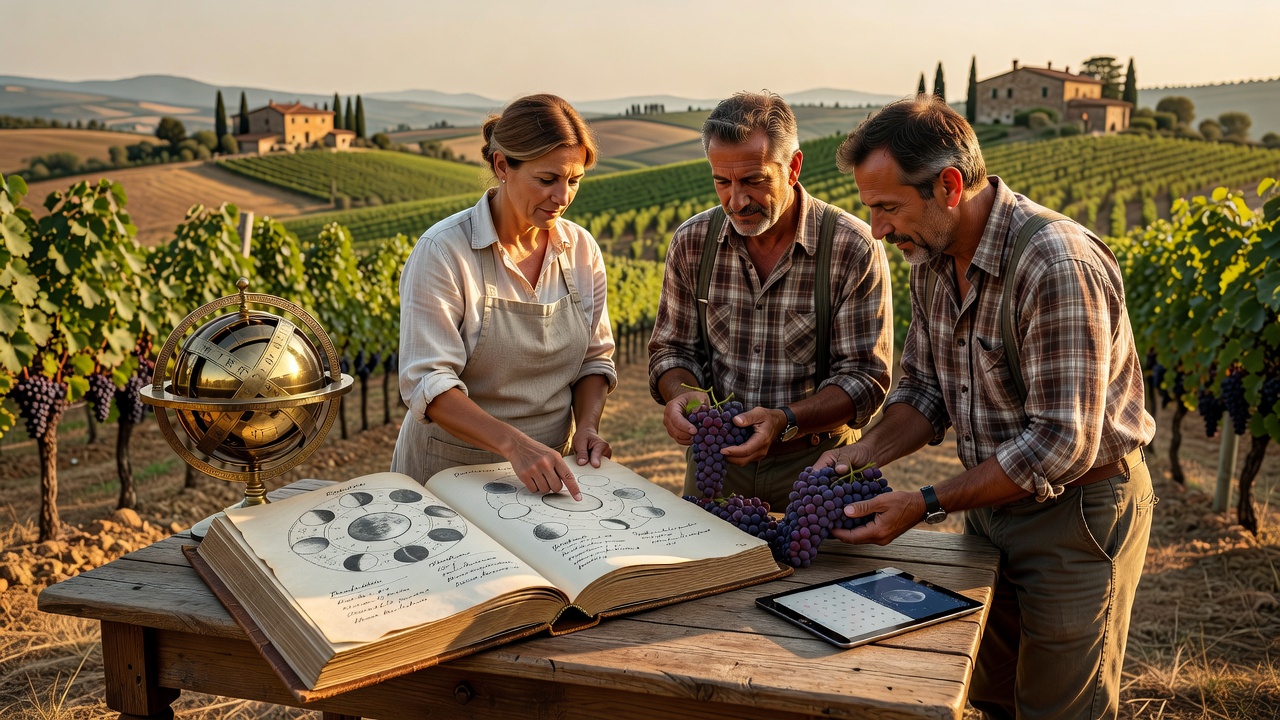
Vineyard collectives in Marche maintain shared notebooks that track moon phases against yield outcomes over multiple decades, and these records allow members to adjust schedules collectively when weather patterns shift yet still honor the established sequence of rituals that precede each picking day.
Annual meetings bring together representatives from different appellations to compare notes on lunar timing effects, and participants exchange excerpts from older texts that describe identical procedures carried out under similar sky conditions centuries earlier.
Supporting Data from Broader Agricultural Sources
Figures compiled by the European Commission's agriculture monitoring program reveal steady participation rates in traditional timing practices across Italian wine regions through 2025, and these statistics align with observations from the University of Melbourne's viticulture research unit that examined parallel methods in comparable climates.
Observers note that estates following lunar guidelines report consistent patterns in harvest volumes when compared against non-aligned plots in the same microclimates, though variables such as soil type and grape variety remain primary factors according to the compiled datasets.
Conclusion
Italian winemakers maintain harvest rituals tied to lunar cycles as a direct continuation of documented regional customs, and the approach supports preservation of distinct craft elements that differentiate local wines while incorporating measurable data for the October 2026 season and beyond.